Jax State student, alumna named among IAEM-USA's 40 Under 40
Doctoral student Meghan Hutchinson and alumna Tonya Clarke recognized for leadership and impact in emergency management
Jacksonville, AL (09/23/2026) — Jacksonville State University (Jax State) doctoral student Meghan Hutchinson and Jax State alumna Tonya Clarke will be honored at the annual International Association of Emergency Managers (IAEM) conference, which will take place in Long Beach, California, from November 6-12, 2026. They were named among IAEM-USA's 2026 40 Under 40 honorees, which was officially announced on August 24, 2026.
Hutchinson is currently enrolled in Jax State's Doctor of Science in Emergency Management program, which she began in August 2025. A West Virginia resident, Hutchinson serves as an emergency planning and licensing engineer at Deep Fission Incorporated, a California-based startup she joined in August.
Clarke earned her Master of Public Administration with a concentration in Emergency Management from Jax State in August 2025. She currently serves as a senior staff analyst for the City of Houston Office of Emergency Management.
Hutchinson described the honor as "humbling," while Clarke called the moment a "surreal experience," adding that she "never imagined that the work I've done throughout my career would be highlighted and recognized in this way."
The 40 Under 40 award recognizes IAEM members who demonstrate "exceptional talent, leadership, and achievements," according to the organization.
Dr. Tanveer Islam, chair of Jax State's Emergency Management and Public Administration, said the awards highlight Jax State's growing presence in the emergency management community.
"Having two Jax State Emergency Management and Public Administration students recognized among IAEM's 40 Under 40 honorees reflects the caliber of professionals in our EMPA programs," Dr. Islam said. "Meghan Hutchinson, now in her second year of the doctoral program, has shown that our students are not only advancing their education but also making significant contributions to the emergency management profession."
In 2025, Clarke was named the IAEM-USA Rising Star Award recipient, an honor given to early-career professionals who "demonstrate exceptional promise," according to IAEM. The organization described Clarke as someone who "embodies the next generation of leadership in emergency management, demonstrating extraordinary commitment, innovation, and influence in just a few years."
The recognition came during a period when Clarke was questioning her professional direction.
"During that time, I often wondered whether I was on the right path," she said. "Yet I was entrusted with projects and operations far beyond my experience level by leaders who believed in me, empowered me, and gave me space to grow."
"These honors are a wonderful testament to the leadership, dedication, and professional excellence of the people who choose Jax State to advance their careers in emergency management and public administration," Dr. Islam said.
Meghan Hutchinson - a family rooted in service
Hutchinson's path into emergency management began before she entered the field professionally. Her background is grounded in a family tradition of service that stretches back generations.
"We actually have had a member of our family serving in every military action that our country has ever been involved in," she said.
Her father, a Vietnam veteran, and her maternal grandfather, a World War II veteran, were central figures in that legacy. Her father continued serving his community by joining the city council, the county development authority, and the Huntington Scottish Rite Foundation, where he eventually became president.
Hutchinson entered emergency response at 16, becoming a volunteer firefighter in West Virginia.
"We could not 'eat smoke' as they say, at 16," Hutchinson said. "We had to be 18. We could eat smoke from the outside as long as we stayed at the engine, but we could not go inside of a burning building."
The experience introduced her to emergency operations and reinforced her desire to serve.
"It's really in my DNA," Hutchinson said. "It starts with my parents and my family who poured so much of themselves into me and their community, the sacrifice and giving back. That's what quiet service looks like."
Hutchinson's academic path reflects that same commitment. She earned a bachelor's degree in anthropology from Marshall University and a Bachelor of Science in Homeland Security from Eastern Kentucky University (EKU), where she also completed her master's degree. She now works as an emergency planning and licensing engineer at Deep Fission Incorporated, a startup selected by the U.S. Department of Energy for its small modular reactor pilot program.
"We are one of 10 looking at moving nuclear power into the future and small modular reactor designs," she said.
Hutchinson enrolled in Jax State's Doctor of Science in Emergency Management program in August 2025. She chose Jax State specifically because the program offered the practical approach she wanted from a doctorate.
"I love teaching, but I love teaching first responders," she said. "I love being out in the field and doing the practical side of teaching, getting my hands dirty. I wanted my doctorate, but I also knew I didn't want to be tied to research for the rest of my life."
Her path to Jax State, however, was interrupted by family needs. Hutchinson initially applied to join the 2024 cohort but withdrew when her father, Al Howard, began experiencing health issues. She and her mother, Judy, became his primary caregivers.
"After your parents pour so much into you," she said, "there was this natural wanting to take care of both of my parents."
Hutchinson sat her parents down at their kitchen table and explained she could not continue with school while helping care for them.
"It was pretty heartbreaking for all three of us in that moment," she said.
Before stepping away from the program, Hutchinson promised both of her parents that she would apply again when the time was right.
"I said, 'Okay. I'll apply. It doesn't mean they'll accept me, but I'll apply.' I always like to say, 'Who wants the little redneck girl from West Virginia that comes out of a holler?' So, I applied and to my surprise, got accepted."
A 'fangirl' moment
Once enrolled, Hutchinson found herself academically "starstruck," studying under Dr. Scott Manning, assistant doctoral program director, and Dr. David McEntire, who she described as "essentially the father of modern-day emergency management."
"He has written the textbooks that I used in my bachelor's and my master's program, and now I am studying underneath him in a class that he is teaching," Hutchinson said. "It was like this fangirl moment."
Hutchinson also credits Dr. Arjola Ballaj with being particularly influential as she continues her academic journey and explores opportunities to branch out professionally and academically.
Hutchinson also praised Jax State's faculty for understanding the demands of emergency management work.
"Naturally, in the line of work that we're in, sometimes we get called out," she said.
Professors were flexible when she faced field deployments or family responsibilities. Hutchinson is the mother of two young children - a daughter, 7, and a son, 2 - and credits the program's support with helping her balance school, work, and parenting.
"As much as you invest in the program," she said, "you'll get back tenfold."
Despite entering the program with little interest in academic writing or conferences, Hutchinson found herself engaged in both. Within her first year, she wrote one article, began a second for the Domestic Preparedness Journal, presented at the National Radiological Emergency Preparedness Conference and the West Virginia Emergency Management Council Conference, and submitted another abstract for the National Radiological Emergency Preparedness Conference.
"I've realized that maybe I wasn't as open to it as I should have been," she said.
That academic growth has also become a source of inspiration for her children.
"It all proves you never know what doors are going to open," she said, "because you stepped out in faith and tried something new."
Tonya Clarke - a career born out of experience
Clarke's interest in emergency management began with a childhood disaster. In 2001, a tornado destroyed her family home. Nonprofit organizations provided temporary housing and essential support.
"At the time, I didn't know what emergency management was," Clarke said. "But I did know one thing clearly: I wanted to be someone who could help others before, during and after disasters, just as people helped my family."
That experience "shaped my path," she said, "and ultimately led me to this field."
Clarke, originally from Robertsdale, enrolled at Jax State in 2023 and earned a Master of Public Administration with a concentration in Emergency Management in 2025. She now serves as a senior staff analyst for the City of Houston Office of Emergency Management, where she leads regional recovery initiatives, develops emergency plans and contributes to national strategic priorities through IAEM.
Her connection to Jax State has continued beyond graduation. Clarke has encountered some of her former professors at IAEM events, giving her a different perspective on the faculty members who taught her.
"Seeing them in that professional environment made me even more grateful for the education I received," she said. "They brought real-world experience into the classroom, wrote foundational emergency management doctrine and textbooks, and were active members of the same organization I joined."
Clarke said Jax State's curriculum helped her understand how emergency management intersects with government and policy.
"You don't have to be political," she said, "but you do have to understand politics."
Her MPA program taught her about "policy, the structure of government, and how governmental processes intersect with emergency management." Clarke added that understanding how policy influences disaster response, recovery, and resource allocation "has been essential to my development as an emergency management professional."
For Clarke, the best part of her job is helping residents.
"There's nothing quite like seeing the faces of disaster survivors after we're able to provide resources they urgently need," she said.
Clarke's own experiences as a child give her empathy for those enduring tragedies of their own.
"I remember what it felt like on one of the worst days of my life," she said. "Being able to support someone else on one of their worst days is incredibly meaningful."
The most challenging part of her job is resource scarcity. Limited funding and policy changes can affect the availability of essential supplies. At the same time, Clarke said those challenges can demonstrate the strength of community networks and nonprofit organizations working together to fill gaps.
"Those moments," she said, "highlight the resilience not just of our community, but of the people committed to serving it."
About Jacksonville State University: Founded in 1883 as a state teachers' college, Jacksonville State University has grown from humble beginnings into the Alabama regional university with the highest percentage of accredited programs. Located in the Appalachian foothills midway between Birmingham and Atlanta, Jax State offers more than 150 courses of study, including over 40 online programs, at the undergraduate and graduate levels. To learn more, visit www.jsu.edu, call 1-800-231-JAX1, or e-mail jaxfacts@jsu.edu.
Media Attachments
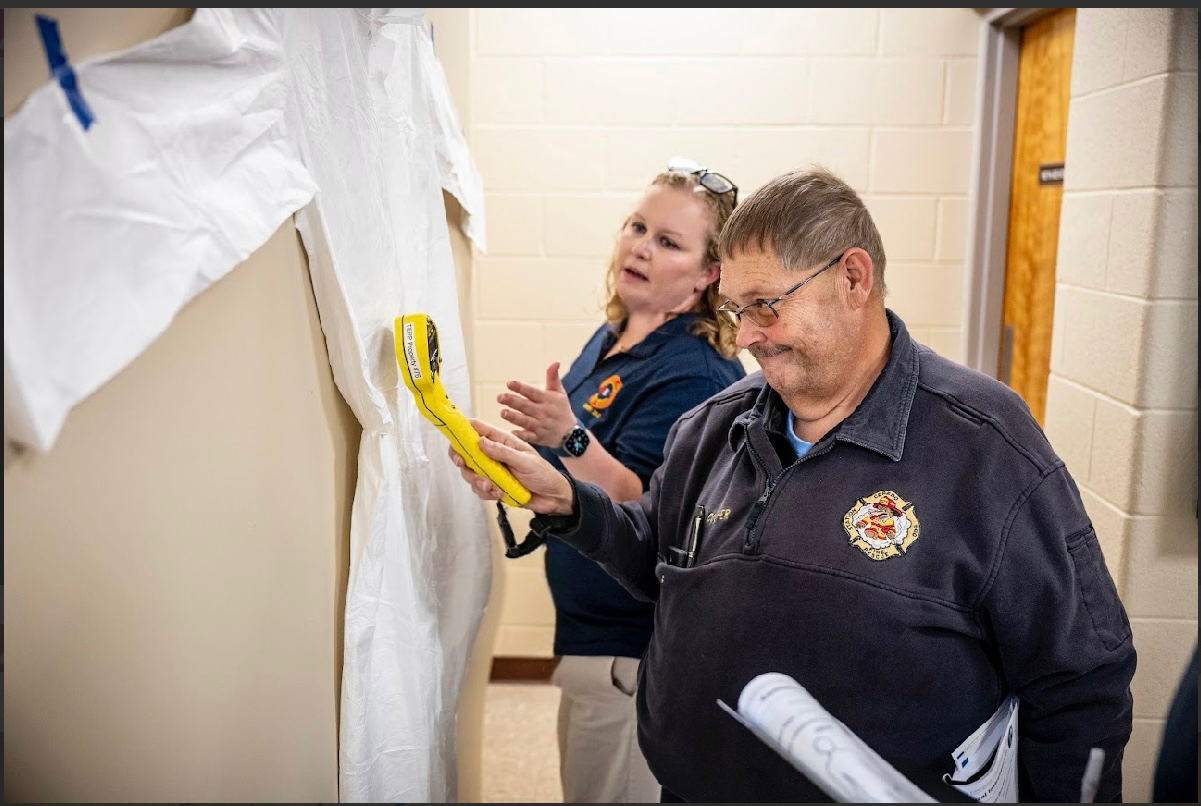
Meghan Hutchinson
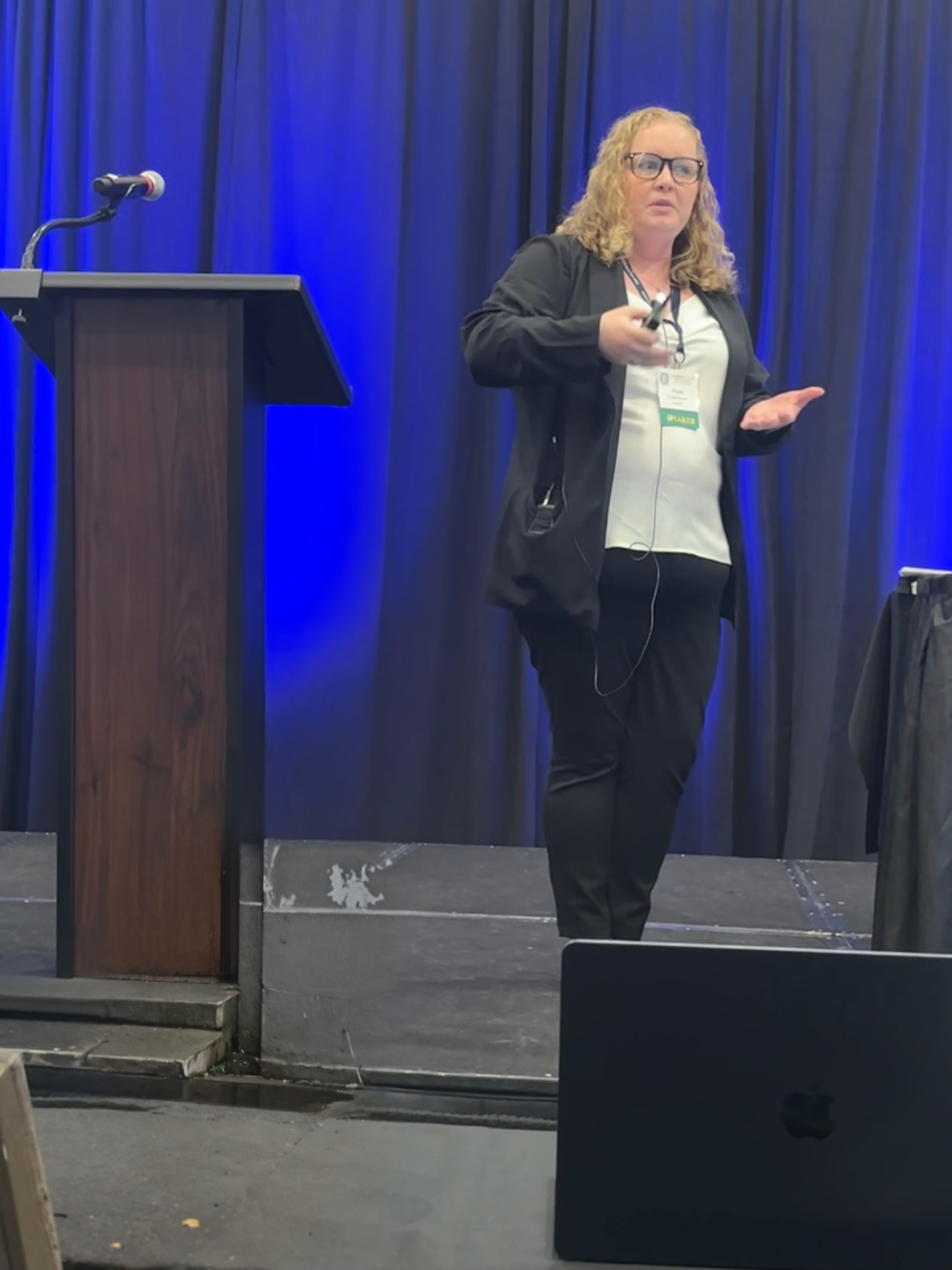
Meghan Hutchinson
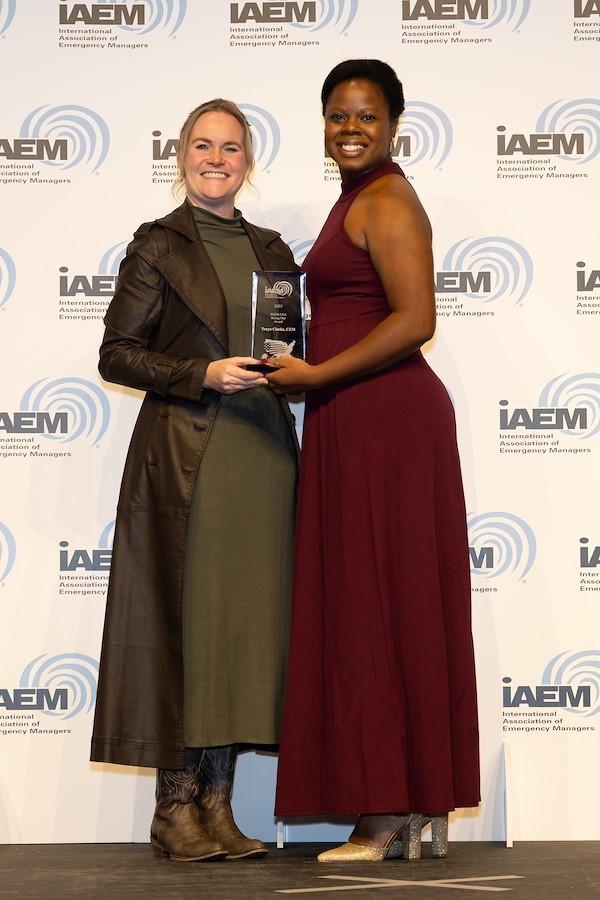
Tonya Clarke (right)
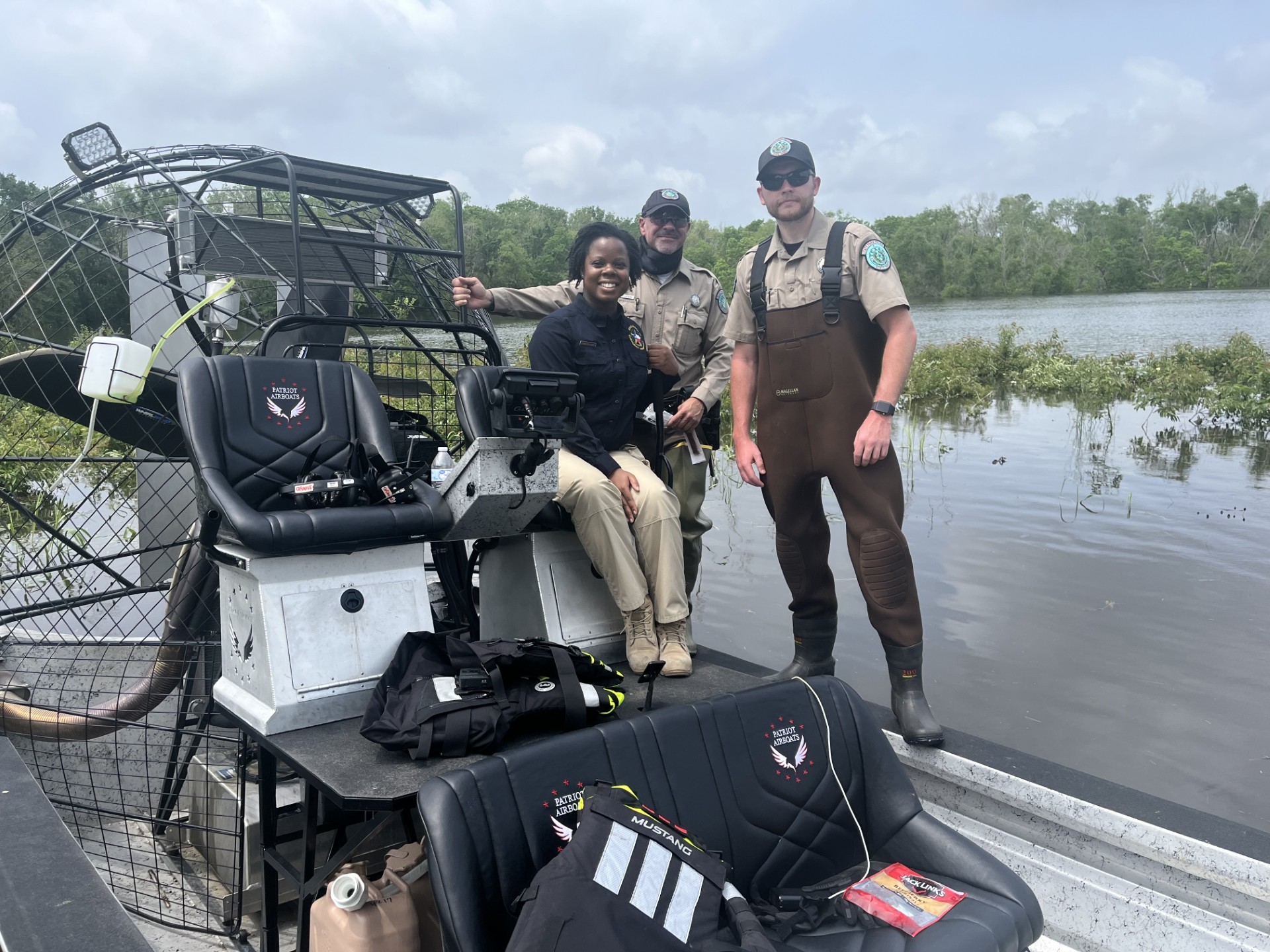
Tonya Clarke (left)